“Set up our school uniform PO program in one phone call. Multi-user account, approval workflow, the whole thing.”
“Set up our school uniform PO program in one phone call. Multi-user account, approval workflow, the whole thing.”
“Pricing tier kicks in at qty automatically. No more emailing for quotes on 144+ pieces.”
“Tax-exempt status got applied the same day we uploaded the cert. Old vendor took us 3 weeks. Night and day.”
“They actually answer the phone. We tried 3 other wholesalers; this is the only one where you get a human in under a minute.”
“Compared 4 wholesalers side-by-side over 6 months. Apparel Globe came out top on price, speed AND service. Rare combo.”
“Apparel Globe ships faster than SanMar and S&S for us. We can promise our customers a 5-day turnaround and actually hit it.”
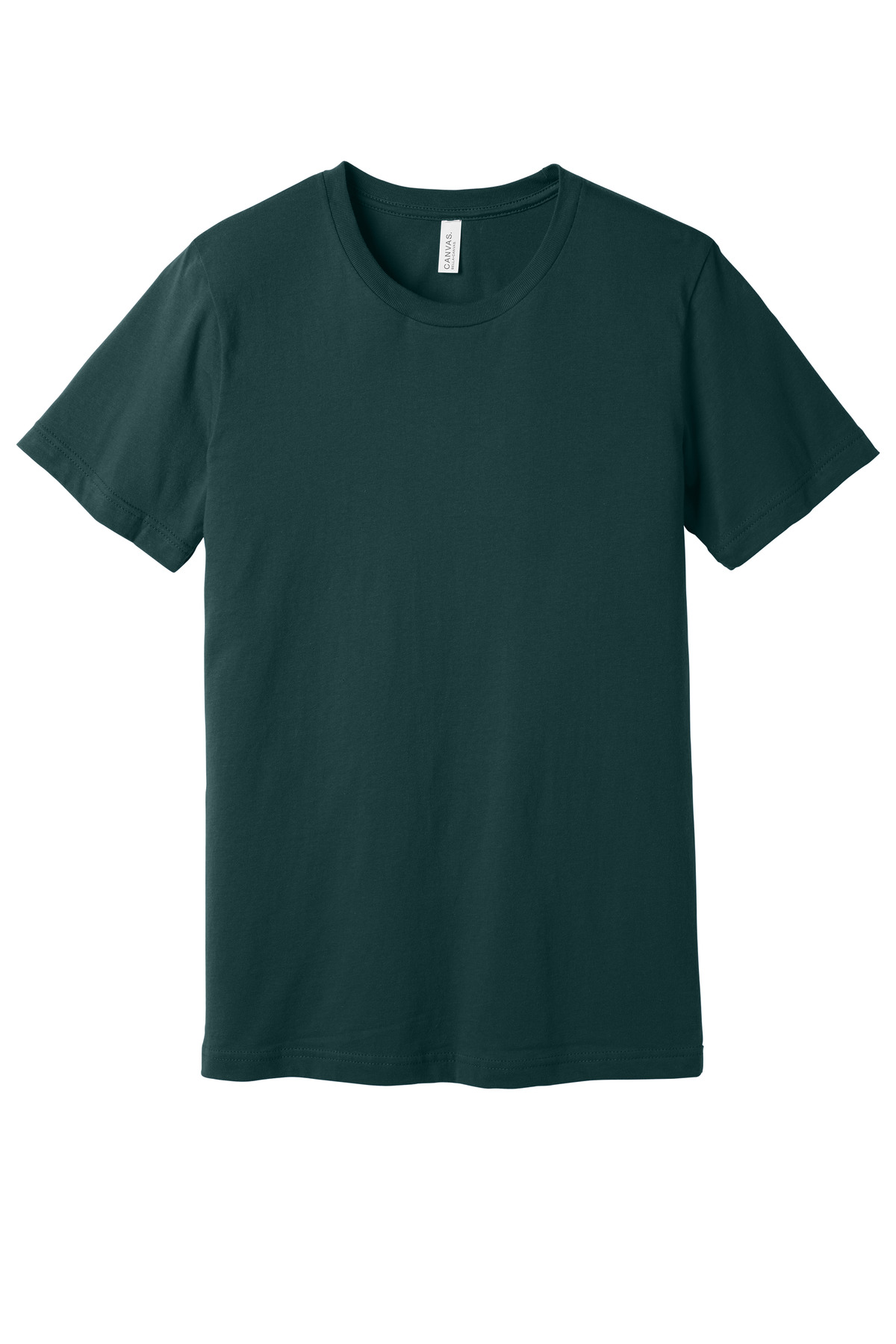
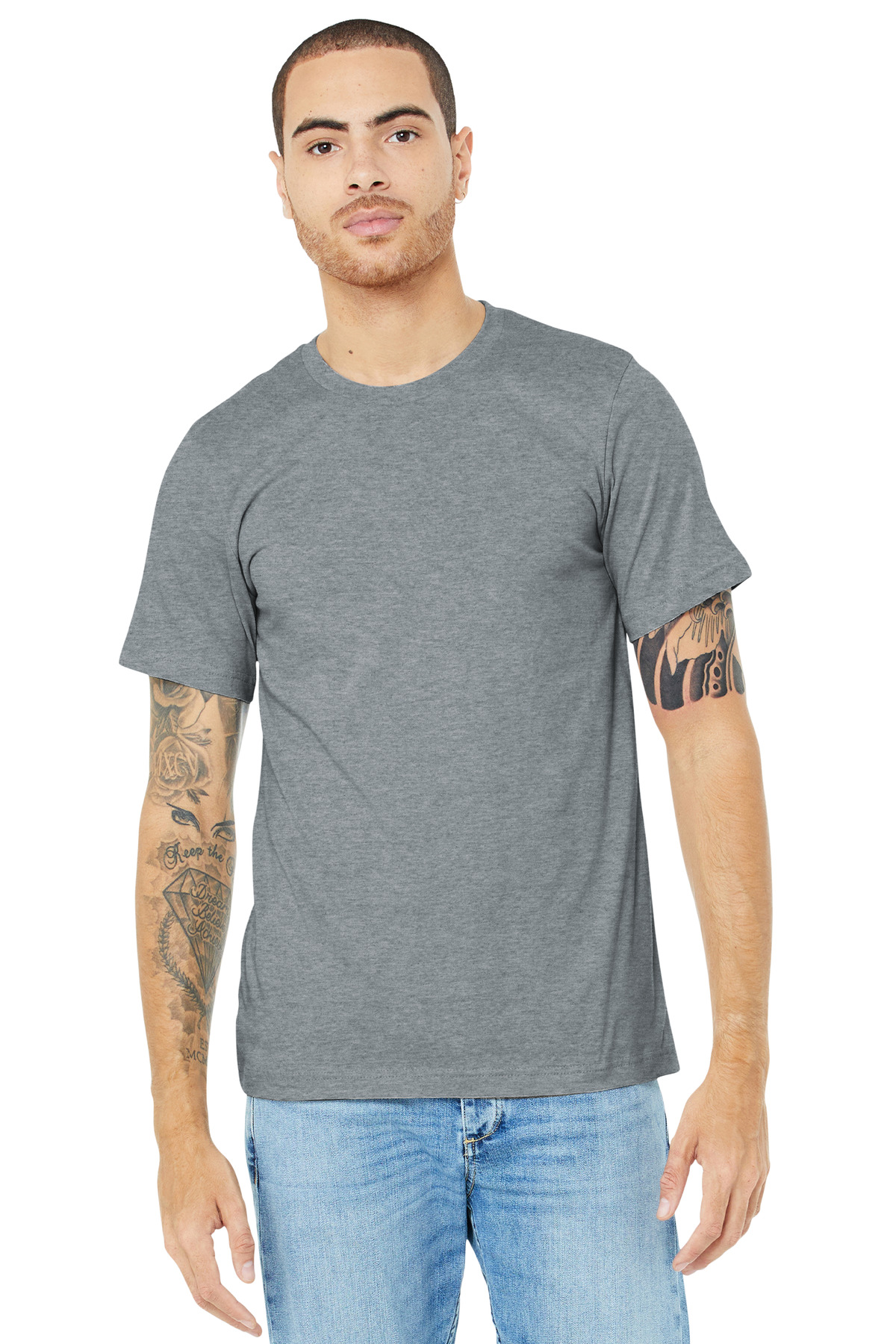
You can customize shirts at home with just a blank tee, a design and a heat source. The right method depends on your design and the equipment you own.
Below are the most popular at-home methods, what you need for each, and when it is easier to simply order custom-printed shirts instead.
| Method | You need |
|---|
| Best for |
|---|
| Iron-on transfer | Printable transfer paper + household iron | Quick one-off designs |
| Heat-transfer vinyl (HTV) | Cutting machine (Cricut/Silhouette) + heat press | Names, text, simple shapes |
| DTF transfer | Pre-printed DTF transfer + heat press | Full-color designs on any fabric |
| Sublimation | Sublimation printer + heat press + poly shirt | All-over prints on white polyester |
| Fabric paint / bleach / tie-dye | Paint, stencils or bleach | One-of-a-kind DIY art |
Use the correct temperature, time and pressure for your material — too little and it peels, too much and it scorches.
Pre-press the shirt for a few seconds to remove moisture and wrinkles, and follow the peel instructions (hot or cold) for your transfer.
Wash finished shirts inside-out in cold water and avoid high-heat drying to make the design last.
A household iron works for iron-on transfers and small HTV projects — apply firm pressure and heat for the recommended time. For consistent, durable results, a heat press or ordering custom-printed shirts is better.
Heat-transfer vinyl with a Cricut is the most popular for text and simple designs; DTF transfers are best for full-color art on any fabric.
Cotton works best for HTV and iron-on; sublimation requires polyester. DTF transfers work on almost any fabric.
 +77
+77